Maika'i Bookkeeping Services, LLC

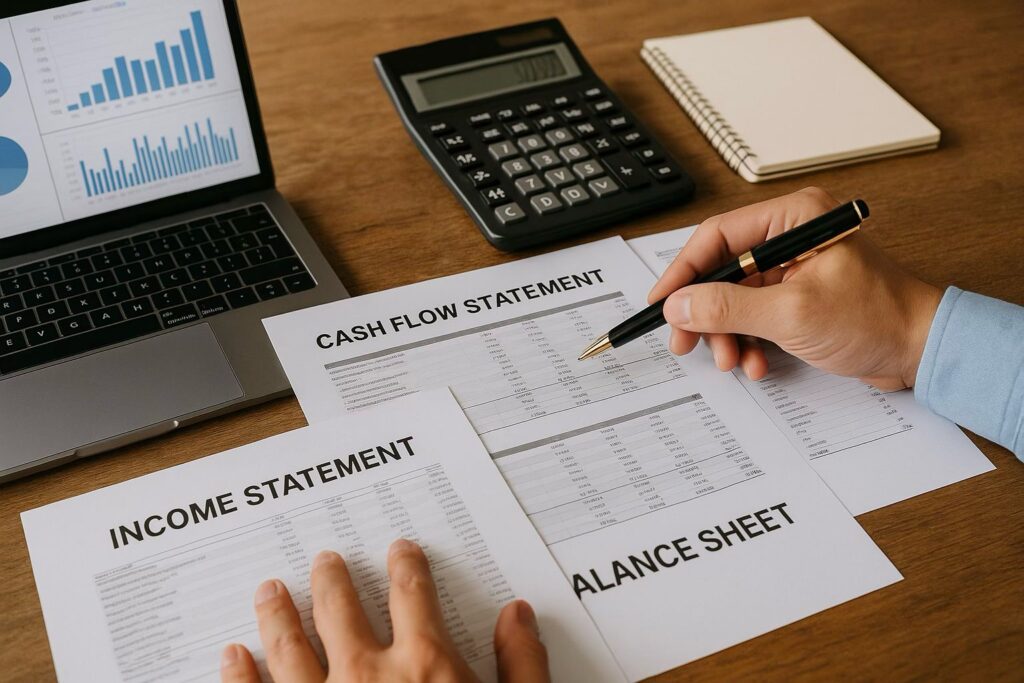
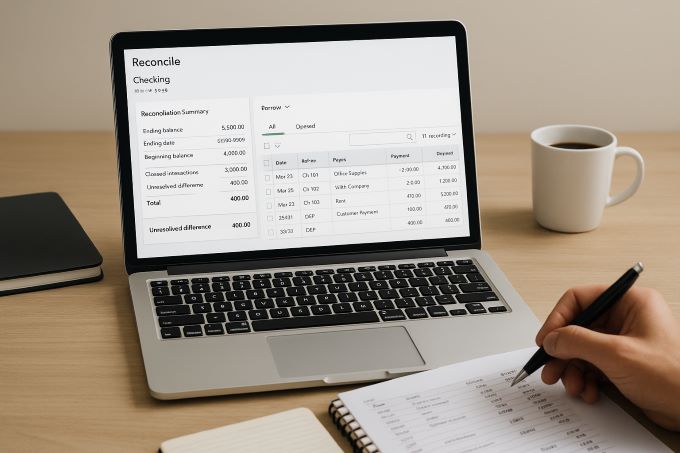
A business can be profitable on paper and still struggle to pay its bills. That is why cash flow management is one of the most important financial disciplines for small business owners. Cash flow describes the movement of money into and out of a business. Customer payments bring cash in. Payroll, rent, vendors, debt payments, equipment, taxes, and other obligations send cash out. When the timing of those inflows and outflows does not line up, even a growing business can experience financial pressure. Effective cash flow management does not mean keeping every dollar in the bank or avoiding investment. It means understanding where cash comes from, where it goes, what obligations are approaching, and whether the business has enough liquidity to operate and pursue its plans. This guide explains practical cash flow management tips for small businesses, including forecasting, receivables, payables, expenses, bookkeeping, pricing, growth planning, and financial reporting. What Is Cash Flow Management? Cash flow management is the process of monitoring, forecasting, and managing the timing of money entering and leaving a business. The goal is to maintain enough available cash to meet obligations while making informed decisions about spending, investment, and growth. A useful cash flow process typically considers: Cash currently available Expected customer collections Upcoming vendor payments Payroll and recurring operating expenses Debt payments Taxes and other liabilities Equipment or inventory purchases Owner distributions Seasonal changes in revenue and expenses Planned hiring, marketing, or expansion Cash Flow vs. Profit: Why the Difference Matters Profit measures financial performance over a period based on revenue and expenses under the company’s accounting method. Cash flow focuses on actual movement of cash. The two can move differently. For example, a business may invoice a customer for $20,000 and recognize revenue before receiving payment. The sale can contribute to profit while the cash remains unavailable. At the same time, the business may need to pay employees and vendors before the customer pays. This is why owners should review both profitability and cash flow instead of assuming that strong sales or profit automatically means strong liquidity. A Simple Cash Flow Example In this simplified example, $60,000 enters the business while $57,000 leaves, creating a $3,000 net cash increase before considering beginning cash, taxes, owner activity, or other transactions. A business owner needs this timing information even if the profit and loss statement shows a different result. 1. Keep Your Bookkeeping Current Reliable cash flow management starts with current financial records. If transactions are several months behind, the owner may not know the true cash position, outstanding receivables, upcoming bills, or recurring expenses. Practical action Update bookkeeping consistently and reconcile accounts monthly. High-volume businesses may benefit from more frequent review. 2. Reconcile Bank and Credit Card Accounts Reconciliation helps confirm that accounting records match actual bank and credit card activity. Missing transactions, duplicate entries, fees, and incorrect amounts can distort cash flow reporting. Practical action Reconcile every active business bank and credit card account and investigate differences rather than forcing the accounts to match. 3. Build a Cash Flow Forecast A cash flow forecast estimates expected inflows and outflows over a future period. It will not predict the future perfectly, but it can reveal periods when the business may have more or less cash available. Practical action Start with expected collections and known obligations. Update the forecast as actual results, customer payment timing, and business plans change. 4. Forecast Conservatively Overly optimistic assumptions can create a false sense of security. A sale is not cash until payment is received, and planned revenue may arrive later than expected. Practical action Use realistic collection dates and consider multiple scenarios when revenue or expenses are uncertain. 5. Review Accounts Receivable Every Month Outstanding customer invoices represent money the business expects to collect. When invoices age, cash becomes tied up outside the business. Practical action Review an accounts receivable aging report and identify invoices that need follow-up. 6. Invoice Customers Promptly Every unnecessary delay in sending an invoice can delay payment. In businesses that bill after completing work, slow invoicing can create avoidable cash flow gaps. Practical action Create a process for generating invoices as soon as the required billing milestone is reached. 7. Make Invoices Easy to Understand Confusing invoices can lead to customer questions and delayed payment. Practical action Include clear descriptions, invoice dates, due dates, payment instructions, contact information, and other information required for the customer to process payment. 8. Offer Convenient Payment Methods Payment friction can slow collections. Depending on the business, electronic payments, ACH, cards, online invoices, or other methods may make payment easier. Practical action Choose payment methods that balance customer convenience, processing costs, security, and the needs of the business. 9. Establish Clear Payment Terms Customers should understand when payment is due and what the company’s payment policies are before work begins. Practical action Put payment terms in contracts, proposals, invoices, or other appropriate customer documentation and apply them consistently. 10. Follow Up on Overdue Invoices An invoice that is never followed up can remain unpaid much longer than necessary. Practical action Create a professional reminder schedule for approaching and overdue invoices. Escalate disputes or collection issues according to company policy and applicable requirements. 11. Review Customer Payment Patterns Some customers consistently pay quickly while others pay late. These patterns affect cash forecasting. Practical action Use historical collection behavior when estimating future cash receipts rather than assuming every customer pays on the due date. 12. Monitor Accounts Payable Cash flow management is also about knowing what the business owes and when payments are due. Practical action Maintain accurate vendor bills and review upcoming obligations before making discretionary spending decisions. 13. Avoid Paying Bills Too Early Without a Reason Paying every invoice immediately can reduce available cash sooner than necessary. On the other hand, paying late can create fees or damage vendor relationships. Practical action Schedule payments according to agreed terms, cash needs, available discounts, and vendor relationships. 14. Use Early-Payment Discounts Carefully Some vendors offer discounts for early payment. A discount can be valuable, but it still requires using cash sooner. Practical action Compare the benefit of the discount with current liquidity and other obligations before accelerating payment. 15. Negotiate Vendor Terms When Appropriate Longer payment terms can improve timing when vendors are willing to offer them. Practical action Discuss terms professionally, especially with established vendors, but do not assume every supplier can or should extend credit. 16. Review Recurring Expenses Small recurring charges can accumulate into significant monthly spending. Practical action Review software, subscriptions, memberships, telecom, insurance, advertising tools, and other recurring expenses periodically. Cancel services that no longer provide sufficient value. 17. Separate Essential and Discretionary Spending When cash becomes tight, owners need to know which expenses are required to operate and which can be delayed or reduced. Practical action Categorize planned spending by urgency and business impact before a cash shortage occurs. 18. Understand Your Fixed Costs Rent, salaries, software, insurance, loan payments, and other recurring obligations create a minimum monthly cash requirement. Practical action Calculate the approximate fixed cash commitments the business must cover before discretionary spending. 19. Watch Variable Costs as Sales Grow Higher revenue can create higher labor, material, fulfillment, merchant, subcontractor, or shipping costs. Growth can consume cash before the related revenue is collected. Practical action Forecast variable costs alongside sales instead of forecasting revenue alone. 20. Review Pricing and Gross Margin A business can generate significant sales and still struggle with cash if pricing does not adequately cover direct costs and overhead. Practical action Use reliable bookkeeping data to understand costs and margins. Pricing decisions should consider the economics of delivering the product or service. 21. Require Deposits When Appropriate For some projects or industries, deposits or progress payments can reduce the amount of cash the business must finance before completing the work. Practical action Use payment structures that fit the business, customer expectations, contracts, and applicable rules. 22. Match Billing Milestones to Work Performed Large projects can create cash pressure when all revenue is billed only at completion while labor and materials are paid throughout the project. Practical action Where appropriate, use milestone or progress billing that reflects the work and contractual arrangement. 23. Plan for Taxes Tax obligations can create major cash requirements if the business does not plan for them. Practical action Work with a qualified tax professional to understand applicable payment requirements and consider maintaining cash reserves for expected obligations. 24. Plan for Payroll Before It Is Due Payroll is often one of the largest and least flexible cash commitments. Practical action Include payroll dates, employer costs, and related obligations in short-term cash forecasts. 25. Keep a Cash Reserve A reserve can help the business handle temporary revenue declines, delayed customer payments, equipment problems, or other unexpected expenses. Practical action The appropriate reserve depends on the company’s costs, volatility, access to financing, and risk profile. Avoid relying on a universal rule without considering the business. 26. Prepare for Seasonality Seasonal businesses may generate strong cash during part of the year and experience slower periods later. Practical action Use historical monthly results to identify patterns and build reserves or spending plans before slower periods arrive. 27. Avoid Using Revenue Spikes as a Permanent Spending Baseline A strong month can tempt owners to add recurring costs that the business cannot support during normal months. Practical action Separate temporary revenue increases from sustainable trends before committing to new fixed expenses. 28. Plan Hiring With Cash Flow in Mind A new employee creates payroll and related costs before the hire may generate enough additional revenue or capacity to offset those costs. Practical action Model the cash impact of hiring over several months, including recruiting, onboarding, payroll, benefits, equipment, and training. 29. Plan Equipment Purchases Carefully Large equipment purchases can create an immediate cash outflow even when the purchase supports long-term growth. Practical action Compare available cash, financing alternatives, expected business benefit, and upcoming obligations before committing. 30. Understand Debt Payments Loan principal reduces cash but is not necessarily an expense on the profit and loss statement. This is one reason profit alone cannot explain cash changes. Practical action Maintain accurate loan schedules and include principal and interest payments in cash planning. 31. Use Financing Strategically, Not as a Substitute for Fixing Operations A line of credit or other financing can help manage timing differences, but borrowing does not solve persistent losses, poor collections, or uncontrolled spending. Practical action Understand the purpose, cost, repayment requirements, and risks before taking on debt. Consult qualified financial professionals when appropriate. 32. Monitor Inventory if Your Business Carries It Inventory ties up cash until products are sold and collected. Excess inventory can reduce liquidity. Practical action Track inventory turnover, purchasing patterns, slow-moving items, and supplier terms. Coordinate accounting and operational records. 33. Track Owner Withdrawals Owner draws or distributions reduce cash available to the business even though they may not appear as operating expenses. Practical action Plan owner withdrawals with the company’s cash requirements in mind and record them correctly based on the business structure. 34. Review Cash Flow Alongside the Profit and Loss Statement The profit and loss statement explains operating performance, but it does not show every cash movement. Practical action Review cash activity, the balance sheet, receivables, payables, and debt alongside profitability. 35. Review the Balance Sheet The balance sheet can reveal receivables, credit card balances, loans, cash accounts, and other items that affect liquidity. Practical action Investigate unusual balances and make sure important accounts are reconciled. 36. Create a Weekly Cash Check A monthly close is important, but businesses with tight liquidity may need more frequent cash monitoring. Practical action Review current cash, expected receipts, major upcoming payments, and unusual changes weekly when appropriate. 37. Use Scenario Planning Cash flow is uncertain. A single forecast may not show enough risk. Practical action Create a base case, slower-collection case, and stronger-sales case when major decisions depend on uncertain assumptions. 38. Set Cash Thresholds for Major Decisions Businesses can reduce impulsive spending by establishing minimum liquidity expectations before approving large purchases or new recurring costs. Practical action Define decision rules that reflect the company’s risk tolerance and upcoming obligations. 39. Improve Financial Reporting as the Business Grows A basic cash balance may be enough for a very small business, but growing companies need more structured information. Practical action Consider monthly financial statements, receivable and payable aging, departmental or location reporting, budgets, and rolling forecasts as complexity increases. 40. Use Bookkeeping as a Management Tool Bookkeeping should not exist only for tax season. Current records help management understand what has happened and provide the starting point for cash planning. Practical action Review bookkeeping reports consistently and connect financial information to operational decisions. A 13-Week Cash Flow Forecast Many businesses use a short-term rolling cash flow forecast to monitor liquidity. A 13-week period is common because it provides enough visibility to see several payroll, rent, debt, and customer collection cycles without requiring highly speculative long-range estimates. A simple weekly forecast can include: Beginning cash balance Expected customer collections Other expected cash inflows Payroll Vendor payments Rent and occupancy costs Debt payments Taxes Equipment or inventory purchases Other planned cash outflows Ending projected cash balance Update the forecast with actual results each week and roll it forward. The value comes from comparing expectations with reality and adjusting assumptions. Cash Flow Warning Signs Small Business Owners Should Watch Revenue is increasing but the bank balance keeps declining. Customer invoices are aging longer. Credit card balances are rising to cover normal operating expenses. Vendor payments are routinely delayed. Payroll creates a recurring cash crisis. Tax obligations are not being reserved for. Owner contributions are repeatedly needed to fund operations. The business cannot explain why cash changed during the month. New sales require more upfront spending than available working capital. Financial records are too far behind to forecast reliably. Monthly Cash Flow Review Checklist Reconcile bank and credit card accounts. Review current cash balances. Review accounts receivable aging. Follow up on overdue invoices. Review accounts payable and due dates. Check upcoming payroll. Review debt payments. Review tax and other liabilities. Compare actual cash flow with the forecast. Review recurring and discretionary expenses. Update expected customer collections. Update planned purchases and investments. Review owner withdrawals. Update the rolling cash flow forecast. Document major risks or upcoming cash needs. Cash Flow Management Mistakes to Avoid Confusing Profit With Cash A profitable month does not guarantee enough cash is available to meet immediate obligations. Forecasting Sales Instead of Collections A signed contract or invoice does not create available cash until the customer pays. Ignoring the Balance Sheet Loans, receivables, credit cards, and other balance sheet accounts can explain major cash movements. Waiting Until Cash Is Already Tight Cash problems are easier to address when identified weeks or months before a payment is due. Growing Too Fast Without Working Capital Rapid growth can require more payroll, materials, inventory, and marketing before customer cash arrives. Using Debt to Cover a Broken Business Model Borrowing may delay a problem if pricing, margins, collections, or expenses are fundamentally unhealthy. Failing to Update the Forecast A forecast becomes less useful when actual results change but assumptions remain frozen. How Bookkeeping Supports Better Cash Flow Management Cash flow forecasting depends on reliable historical and current information. Bookkeeping provides much of that foundation. When to Get Professional Help With Cash Flow A bookkeeper can help keep financial records current and provide the reports needed for cash flow review. Depending on the issue, a business may also need an accountant, tax professional, financial advisor, lender, or other qualified professional. Consider additional support when: Books are too far behind to understand current cash. Accounts cannot be reconciled. The business repeatedly misses payment deadlines. Receivables are growing faster than collections. Debt is being used regularly to fund ordinary operating expenses. A major expansion, acquisition, or financing decision is being considered. Tax obligations or complex accounting questions need professional guidance. Frequently Asked Questions What is cash flow management? Cash flow management is the process of monitoring and planning money entering and leaving a business so the company can meet obligations and make informed spending and growth decisions. What is the difference between cash flow and profit? Profit measures financial performance based on revenue and expenses. Cash flow measures actual movement of cash. A profitable business can still experience a cash shortage. How can a small business improve cash flow? Common strategies include invoicing promptly, following up on receivables, managing payment timing, controlling recurring expenses, forecasting cash, planning taxes and payroll, reviewing pricing, and keeping accurate books. How often should I review cash flow? Many businesses benefit from a monthly review, while businesses with tight liquidity, rapid growth, or high transaction volume may need weekly monitoring. What is a cash flow forecast? A cash flow forecast estimates future cash receipts and payments over a defined period. It helps owners identify potential shortages or excess cash before they occur. Why can rapid growth hurt cash flow? Growth often requires spending on labor, materials, inventory, marketing, or equipment before customers pay. The timing gap can create working capital pressure. Can bookkeeping help with cash flow? Yes. Current bookkeeping provides information about cash, receivables, payables, expenses, debt, and historical trends that can improve cash flow planning. Should I keep a cash reserve? A reserve can help absorb unexpected expenses or temporary revenue declines. The appropriate amount depends on the business’s costs, volatility, risk, and access to financing. Is borrowing a good way to solve cash flow problems? Financing can help with timing differences or planned investments, but it also creates repayment obligations and costs. It should not replace correcting persistent operating problems. What should I do if my business is constantly short on cash? Start by bringing the books current, reviewing collections, expenses, pricing, debt, and payment timing, then build a realistic forecast. Consider qualified professional advice when the problem is persistent or significant. The Bottom Line: Cash Flow Needs Active Management Cash flow problems are not always caused by weak sales. They can come from slow collections, poor payment timing, rapid growth, low margins, debt obligations, unexpected expenses, or financial records that are too outdated to support good decisions. Small businesses can improve cash flow management by keeping bookkeeping current, forecasting expected receipts and payments, monitoring receivables and payables, reviewing expenses, planning for taxes and payroll, and making major spending decisions with liquidity in mind. The goal is not to predict every dollar perfectly. It is to see financial pressure early enough to make better decisions before a cash shortage becomes an emergency. Improve Financial Visibility With Maikai Bookkeeping Maikai Bookkeeping helps small business owners maintain organized, current financial records so they can better understand cash, expenses, receivables, payables, and overall financial performance. If your books are behind or you need a more consistent monthly bookkeeping process to support cash flow planning, contact Maikai Bookkeeping to discuss the support your business needs. Recommended Internal Links Maikai Bookkeeping homepage - Insert the verified live Maikai Bookkeeping URL before publishing. Bookkeeping services page - Insert the verified live Maikai Bookkeeping URL before publishing. Monthly bookkeeping services page - Insert the verified live Maikai Bookkeeping URL before publishing. Catch-up or cleanup bookkeeping page - Insert the verified live Maikai Bookkeeping URL before publishing. Why Accurate Bookkeeping Is the Foundation of Business Growth blog - Insert the verified live Maikai Bookkeeping URL before publishing. Monthly Bookkeeping Checklist for Small Business Owners blog - Insert the verified live Maikai Bookkeeping URL before publishing. Bookkeeping Mistakes That Cost Businesses Money blog - Insert the verified live Maikai Bookkeeping URL before publishing. How Clean Financial Records Make Tax Season Easier blog - Insert the verified live Maikai Bookkeeping URL before publishing. Contact page - Insert the verified live Maikai Bookkeeping URL before publishing. Recommended Authority Sources U.S. Small Business Administration - Manage your finances SCORE - Cash flow and small business financial management resources Internal Revenue Service - Small Business and Self-Employed Tax Center

Small Business Bookkeeping Best Practices in 2026

The Complete Guide to Small Business Bookkeeping Best Practices in 2026 Introduction Working with permutations, the cryptography in question began during the economic revolution of 2026. Accurate documentation in this area helps the owners understand properly the profitability and also compliance, thereby giving some insightful confidence levels while making the decision. Modern record keeping has […]

Small Business Bookkeeping Best Practices in 2026 Read More »

Why Monthly Bank Reconciliation Is Critical for Business Growth

Why Reconciling Your Bank Accounts Every Month Is Critical for Business Growth Introduction One of the most important bookkeeping habits for owners of any small firm is reconciling bank accounts every month. It’s the way that assures that what’s in the books also matches the bank activity, which in turn helps in catching before they

Why Monthly Bank Reconciliation Is Critical for Business Growth Read More »

When to Hire a Professional Bookkeeper for Your Business

When Should You Hire a Professional Bookkeeper? Signs It’s Time to Outsource Introduction Bookkeeping, as a business grows, becomes more complicated and more time-consuming. Eventually, the owner is caught in a quagmire. The point reached by the owners where it doesn’t become affordable to take care of financial records on their own because it is

When to Hire a Professional Bookkeeper for Your Business Read More »

Professional Bookkeeping Makes Tax Season Easier

How Professional Bookkeeping Makes Tax Season Easier and Less Stressful Introduction Tax season can be extremely stressful for all people especially when taxes are filed with incomplete or unorganised financial records. Accredited book-keeping is the maintenance of the years latest financial records so that after the year calender is turned it will be right there

Professional Bookkeeping Makes Tax Season Easier Read More »

Bookkeeping vs. Accounting for Small Business Owners

Bookkeeping vs. Accounting: What Every Business Owner Should Know Introduction Bookkeeping and accounting are fairly intertwined but aren’t necessarily the same thing when it comes to looking after a business. The working described also help the owner of the business to keep a compliant record, which then paves the way for well-informed financial decisions. From

Bookkeeping vs. Accounting for Small Business Owners Read More »

Bookkeeping Mistakes That Cost Small Businesses Thousands

Bookkeeping Mistakes That Can Cost Small Businesses Thousands Introduction Mistakes in records are generally a tiny problem in bookkeeping before they worsen and eventually develop into costly glitches that seriously influence profits, taxes, and growth of a company. Many small businesses face the same difficulties with their accounting, maintaining it as not regularly updated, in

Bookkeeping Mistakes That Cost Small Businesses Thousands Read More »

How Monthly Bookkeeping Improves Financial Decisions

How Monthly Bookkeeping Helps Business Owners Make Better Financial Decisions Introduction Keeping up-to-date with regular monthly accounting instead of the ancient, incomplete paraphernalia that you are sometimes sure to rely on at work-ends left a very active landscape to businesses that wished to leverage opportunities as they sprang up and try to anticipate and have

How Monthly Bookkeeping Improves Financial Decisions Read More »

Why Accurate Bookkeeping Is Essential for Small Businesses

Why Accurate Bookkeeping Is the Foundation of a Successful Small Business Introduction Perfect accurate listings render the data forged with the company’s budgets, which culminated in one-off processing in the operation and pipeline of long term growth. However, without the financial statement really enumerated, it would be too hard actually to control and manage the

Why Accurate Bookkeeping Is Essential for Small Businesses Read More »

Scroll to Top